Initial Guide to Understanding Number Patterns in Digital Roulette
Digital roulette attracts players because it is fast, accessible, and visually intuitive. At first glance, number sequences may appear structured or even predictable. However, in reality, the system is governed by independent probability. Therefore, understanding digital roulette number patterns requires both mathematical awareness and emotional discipline.
Although short-term clustering is common, it does not indicate future certainty. Instead, it reflects natural statistical variance. For that reason, this guide focuses on interpretation rather than prediction slot gacor.
The Structure Behind Digital Roulette
Most digital platforms use European roulette with 37 pockets (0–36). In some cases, live-streamed tables operate from professional studios in Riga or luxury casino environments such as Monte Carlo. Regardless of format, the mathematical structure remains identical.
More importantly, each spin is statistically independent. In other words, the wheel has no memory. Consequently, previous results do not influence future outcomes. Nevertheless, short-term sequences often appear meaningful.
Why Patterns Naturally Emerge
Random systems frequently produce clusters. For example, a series of high numbers may appear within a short span. Similarly, red results may repeat several times consecutively. While these patterns feel structured, they are statistically expected over time.
In fact, clustering is not an anomaly—it is part of randomness itself. Therefore, when observing digital roulette number patterns, it is essential to distinguish between natural variance and perceived rhythm.
On the one hand, visual repetition attracts attention. On the other hand, probability remains constant.
Observation Versus Prediction
Observation involves tracking past outcomes. Prediction, however, assumes that those outcomes influence the next result. In roulette, this distinction is critical.
For instance, if five reds appear consecutively, some players assume black is “due.” Conversely, others believe red will continue. However, both assumptions ignore statistical independence. As a result, emotional betting often replaces rational decision-making.
Therefore, a disciplined approach requires neutral observation without aggressive adjustment.
Common Categories of Number Patterns
Although patterns do not predict future spins, categorizing them can improve awareness.
1. Color Sequences
Red and black streaks or alternations frequently draw attention. Nevertheless, each spin still resets probability.
2. Range Clustering
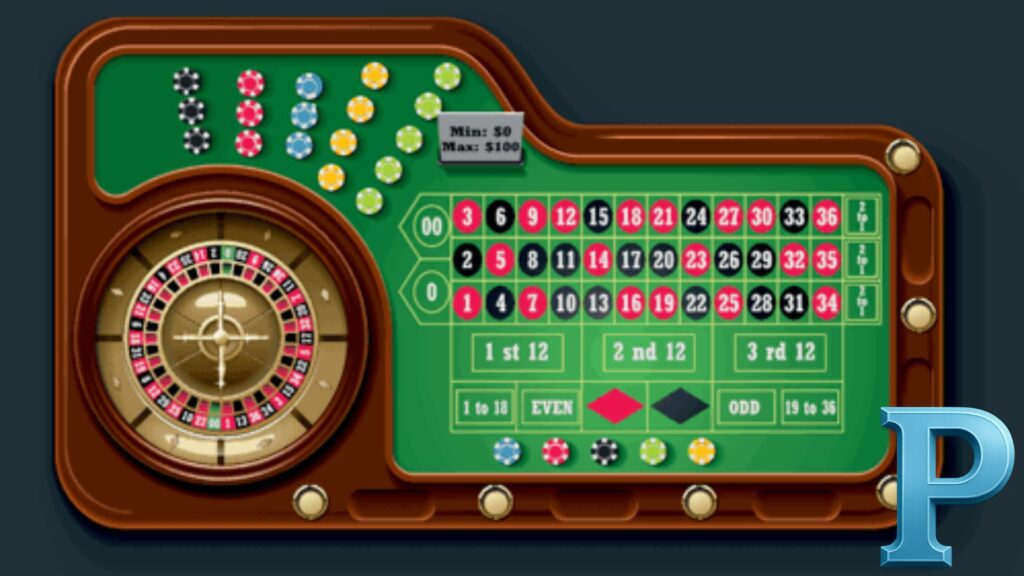
High (19–36) and low (1–18) numbers may cluster briefly. However, over extended play, distribution tends to balance.
3. Dozen or Column Trends
Sometimes one dozen appears more frequently. Even so, this does not guarantee continuation.
4. Sector Concentration
In live-wheel formats, certain wheel sectors may appear active temporarily. Yet, again, randomness governs long-term distribution.
Thus, recognizing pattern categories improves clarity while preventing overconfidence.
The Role of Bankroll Discipline
Because digital roulette operates quickly, emotional reactions can escalate rapidly. Therefore, bankroll structure becomes essential.
A stable framework includes:
- A fixed session budget
- Small, consistent unit betting
- A stop-loss limit
- A defined profit target
By contrast, increasing wagers dramatically after short streaks increases volatility. Consequently, disciplined players maintain steady exposure regardless of clustering.
Understanding RNG Systems
In RNG-based digital roulette, certified algorithms generate outcomes randomly. As a result, physical bias or mechanical influence is eliminated.
Therefore:
- No number becomes more likely after repeated absence.
- No color becomes “stronger” after streaks.
- Long-term distribution follows probability theory.
Although short sessions may feel uneven, extended sessions demonstrate statistical normalization.
Emotional Awareness and Pattern Illusion
Even experienced players can fall into pattern illusion. For example, after several losses, urgency may increase. Similarly, after consecutive wins, overconfidence may emerge.
However, emotional stability strengthens analytical thinking. Therefore:
- Pause after intense sequences.
- Avoid doubling repeatedly.
- Maintain consistent bet sizing.
In this way, emotional control complements statistical understanding.
A Practical Beginner Framework
To approach digital roulette number patterns steadily:
First, focus on even-chance bets for smoother variance.
Second, use flat betting instead of aggressive progression.
Third, observe patterns calmly without overinterpreting them.
Finally, exit sessions once financial limits are reached.
As a result, volatility remains manageable and decisions remain rational.
Long-Term Perspective
Ultimately, digital roulette is governed by probability. While short-term clustering may appear structured, it does not override mathematics. Therefore, stability comes not from prediction but from management.
In conclusion, understanding digital roulette number patterns requires accepting randomness while controlling exposure. When players shift from chasing patterns to managing variance, the game becomes more measured and structured.
Consequently, disciplined analysis replaces impulse—and steadiness replaces reaction.
Cek Juga Artikel Gacor Dari Platform : benjanews