
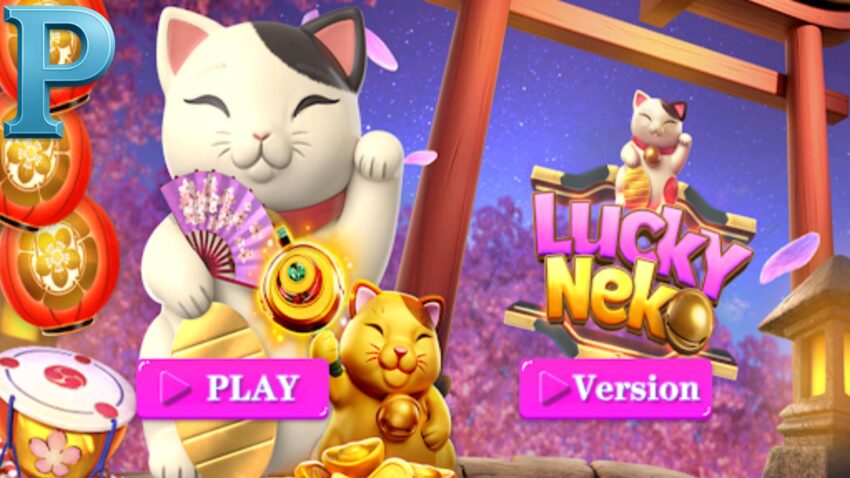
Lucky Neko RTP Analysis With Directional Game Rhythm
Understanding Lucky Neko RTP Basics
Lucky Neko RTP refers to the Return to Player percentage programmed into the slot’s mathematical model. Typically set around 96% (depending on platform configuration), RTP represents the theoretical percentage of total wagers that the game is designed to return over a very large number of spins slot gacor.
It is important to understand that RTP:
- Applies over long-term statistical cycles.
- Does not guarantee short-term outcomes.
- Works in combination with volatility to shape experience.
In high-volatility slots like Lucky Neko, RTP distribution is uneven. A large portion of returns is concentrated in feature rounds where expanding Wild multipliers align.
The Volatility Structure Behind the RTP
Lucky Neko is generally classified as a high-volatility slot. This classification significantly influences how RTP feels during actual play.
High volatility means:
- Base game wins are moderate or infrequent.
- Free spins carry major payout potential.
- Expanding Wild multipliers create spikes in returns.
Because of this structure, the RTP is not distributed evenly across spins. Instead, it is weighted toward feature-triggered events. This is where directional game rhythm becomes relevant.
What Is Directional Game Rhythm?
Directional game rhythm refers to the perceived flow of activity within a session. While the RNG ensures each spin is independent, players often experience sessions in phases that feel directional.
In Lucky Neko, rhythm may appear to move through:
- Low Activity Phase – Limited Wild expansion, minimal multiplier stacking.
- Build-Up Phase – Increased Scatter appearances and occasional expanding Wild symbols.
- Peak Phase – Free spins trigger with stacked multiplier opportunities.
- Reset Phase – Return to calmer base spins after bonus completion.
This directional feeling is not predictive. It is the natural variance of a high-volatility payout model.
How RTP and Expanding Wilds Interact
The Lucky Cat Wild is central to Lucky Neko RTP behavior. When Wilds expand and carry multipliers, they can dramatically amplify wins.
Multiplier stacking examples:
- One Wild with 2x and another with 3x combine into 5x.
- Multiple expanding Wilds increase line coverage and multiplier stacking.
These multiplier events represent key RTP contribution moments. Without them, returns remain moderate. With them, session outcomes can shift rapidly.
This is why many sessions may feel quiet until a strong expanding Wild combination appears.
Free Spins as the RTP Concentration Zone
A significant portion of Lucky Neko RTP is tied to the free spins feature. When three or more Scatter symbols land, players enter a bonus phase where:
- Expanding Wild frequency increases.
- Multiplier stacking becomes more impactful.
- Payout volatility intensifies.
Directional rhythm becomes more noticeable here. The bonus round often represents the peak phase of a session’s momentum.
However, not every bonus produces a large return. High volatility means free spin outcomes vary widely.
Interpreting Short-Term Variance
Short-term results often deviate from RTP expectations. You may experience:
- Long base-game stretches without major wins.
- Bonus rounds with modest returns.
- Sudden large multiplier combinations.
These variations do not contradict RTP. They reflect variance distribution.
Understanding this helps prevent emotional overreaction. RTP is a long-term average, not a session guarantee.
Applying a Data-Oriented Perspective
A structured approach to Lucky Neko RTP includes tracking session metrics such as:
- Spins per bonus trigger.
- Average bonus return size.
- Frequency of expanding Wild appearances.
- Balance change during peak phases.
Tracking data strengthens expectation management. While it does not influence RNG outcomes, it provides perspective on volatility cycles.
Over multiple sessions, patterns of variance become easier to accept without assuming predictability.
Bankroll Alignment With Directional Rhythm
Because Lucky Neko is high volatility, bankroll alignment is critical.
Practical guidelines:
- Use consistent bet sizing (1–3% of session bankroll).
- Avoid increasing bets during perceived “build-up” phases.
- Secure partial profit after strong multiplier events.
Directional rhythm can create emotional bias. A series of near-miss Scatters may feel like a bonus is “due.” A stable strategy ignores these perceptions and maintains consistent exposure.
Psychological Influence of Multiplier Visibility
One reason directional rhythm feels real is the visual emphasis on multiplier stacking. Seeing expanding Wilds land increases anticipation before payout confirmation.
This psychological design enhances engagement. Even though results are random, the visible multipliers create emotional momentum.
Recognizing this design helps separate emotional rhythm from mathematical structure.
Long-Term Perspective on Lucky Neko RTP
Over extended play:
- RTP stabilizes closer to its theoretical percentage.
- Variance evens out across multiple sessions.
- Peak multiplier events balance quieter phases.
Short sessions exaggerate volatility. Long-term perspective smooths perception.
Understanding this balance prevents frustration during downswings and overconfidence during peaks.
Final Thoughts
Lucky Neko RTP Analysis With Directional Game Rhythm reveals how mathematics and perception interact. The slot’s high-volatility model distributes returns unevenly, concentrating payout potential in expanding Wild multipliers and free spins.
Directional rhythm is a reflection of variance clustering, not predictive sequencing. By combining disciplined bankroll control, measured tempo, and data awareness, players can navigate volatility without emotional instability.
In modern slot design, RTP sets the foundation, volatility shapes the rhythm, and multipliers create the peaks. Understanding all three together provides a clearer and more balanced gameplay perspective.
Cek Juga Artikel Gacor Dari Platform : quotesbook